
 An important note, some Mini Sheepadoodles can inherit sensitive stomachs, which is rather common in the Poodle breed. In such cases, you should be in touch with the vet on selecting the best dog food for it.
Training it to answer the call of nature
In simple words, potty training can be the hardest part for a dog owner. You have to remain patient, consistent, and try to reward them with reinforcement when they grasp the training. The best part, Mini Sheepadoodles are smart and eager learners, and they learn quickly. Still, the initial days would be hard for you. Here are some tips:
Take the puppy out frequently, especially after meals, naps, and play.
Preferably, use the same spot where it can excrete to make it a habit.
Shower heaps of praises and reward them when they go to the right spot.
Training the pup to socialize
By nature, Mini Sheepadoodles love to socialize and are affectionate. Still, it needs the basic training to grow up into well-mannered adults. Your role would be to introduce them to various people, sounds, pets, and environments when they are hardly 8-12 weeks. If you do not have time, consider sending it to professional puppy classes.
Physical activities
Do not misunderstand the Mini Sheepadoodles by looking at their small size. They are bustling with energy and enjoy outdoor activities. In fact, without an adequate dose of physical and mental stimulation, they will become bored and, in turn, exhibit destructive behavior. Daily walks for at least 20 minutes, ample playtime, and moderate agility training can boost the pup’s confidence a lot. However, do not indulge them in too many workouts right at the start. The pup’s joints are still developing and can get damaged due to the overload of workouts.
Grooming the pup
Mini Sheepadoodles shed very little, and that makes them so popular among pet lovers. Despite their low shedding, grooming cannot be ignored. By brushing it three to four times a week, it can help prevent the coat from becoming tangled and matting. Professional grooming can also be an option at an interval of 6-8 weeks. Likewise, a particular schedule is necessary for cleaning their ears, teeth, and nails.
Vet visits and vaccinations
During the first year of the Mini Sheepadoodle, you should ensure regular checkups with the vet. Accordingly, the vet will plan a vaccination schedule to safeguard the pup from various diseases. After bringing the pup home, keep a close eye on it. Ideally, the vaccinations should commence around 6-8 weeks. It is also important to go for deworming and flea prevention facilities. During the growing years, keep a record of all the visits to the vet, and it will help you to stay updated on the booster doses and the routine checkup dates.
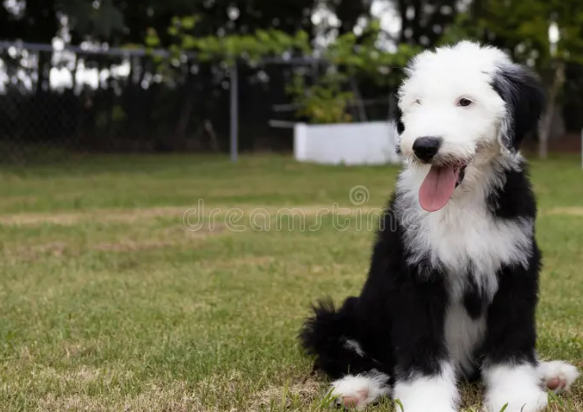
Managing separation anxiety
It is equally essential to train the Mini Sheepadoodles from an early age about handling separation anxiety. As they tend to form deep bonds with family members, leaving them alone can have negative consequences. For preparing it to prepare it, you can start with shorter departures and increase the time gradually. During this time, leave the toy that it loves most to keep it busy. You should not make it realize, you are going out somewhere and will not be available for some time. If this doesn’t work, then consider doggy daycare or a pet sitter.
Sleep training
Crates are the best option for pups as they can serve various purposes. It tends to give the pup a sense of security, and they consider it to be their personal den, which is a safe place to take rest. For the best results, keep the crate in a quiet but not isolated place. Do the needful to make the crate as comfortable for them as possible. Once they learn the utility of crates, they will cuddle inside them and sleep.
Appreciate the journey
Raising a Mini Sheepadoodle does come with challenges. However, in the long run, these affectionate and loyal pets will make you think, the effort was worth it. With the right training and care, the pup will grow into a delightful, loyal, and family companion.